
|
|
 |
| קישור לגיליון | קישור למאמר |
תקציר
עיבוד חושי הוא תהליך נוירולוגי יסודי המאפשר לאנשים לארגן מידע חושי ולייצר תגובות הסתגלותיות. כאשר מתרחשות הפרעות בעיבוד החושי (SPD), התגובות אינן הסתגלותיות ולעיתים הן מתבטאות במה שמכונה “התנהגויות מאתגרות”. סקירה זו מציגה את מערכות החישה ותפקידיהן, מתארת את עקרונות האינטגרציה החושית כפי שפותחו על ידי איירס וחוקרים שבאו בעקבותיה, ודנה במודלים המרכזיים להבנת הפרעות בעיבוד החושי. הדגש מושם על המודל של מילר, המזהה שלושה תת-סוגים עיקריים: תגובתיות-יתר חושית, תת-תגובתיות חושית וחיפוש חושי.
המאמר מתאר גורמי סיכון אפשריים, מצבים נלווים להפרעות התפתחותיות ופסיכיאטריות, וממצאי מחקר בנוגע לשכיחות הן באוכלוסייה הכללית והן בקרב אנשים עם מוגבלויות. הוא מדגיש כי התנהגויות הנתפסות לעיתים כהתנגדותיות, תוקפניות או מנותקות הן למעשה תגובות ישירות לקשיים בעיבוד החושי.
נסקרות גישות התערבות שונות, ובהן אינטגרציה חושית על פי איירס (גישה מלמטה-למעלה – Bottom-Up), התערבויות מבוססות חישה (גישה מלמעלה-למטה – Top-Down) והתאמות סביבתיות. גישות אלה שואפות להפחית מצוקה, להגביר השתתפות ולשפר את איכות החיים של אנשים עם הפרעות בעיבוד החושי. המאמר בוחן גם את השפעת ההתנהגות המאתגרת על צוותים טיפוליים וחינוכיים, מדגיש את חשיבות ההכשרה המקצועית ומציע מודלים להכשרה המשלבים ידע תיאורטי, כלים מעשיים וליווי מתמשך.
המסקנה מדגישה כי אימוץ פרספקטיבה הרואה בהתנהגות תוצר של עיבוד חושי – ולא “בעיית התנהגות” – לצד יישום התאמות מבוססות חישה, תכנון סביבתי מתאים והכשרה שיטתית של צוותים, הם תנאים חיוניים לקידום תפקוד הסתגלותי, למימוש הפוטנציאל האישי ולשיפור רווחתם של אנשים עם הפרעות בעיבוד החושי ושל סביבתם.
מילות מפתח:
עיבוד חושי; הפרעה בעיבוד החושי; התנהגות מאתגרת; התערבויות מבוססות חישה; התאמות סביבתיות.
הצעת ציטוט:
יושעי, י' (2025). שפה של תחושה: התנהגות מאתגרת כביטוי לליקויים בעיבוד החושי. מוגבלות וחברה: מחקר ופרקטיקה, 5, 82-62 .
Disability and Society: Research and PracticeIssue 5, 2025, Pages 9-32
|
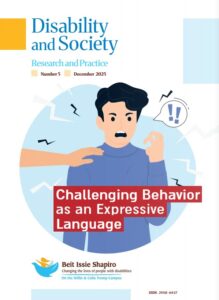 |
A sensory language: Challenging behavior as an expression of sensory processing disorder
Yael Yoshei
Abstract
Sensory processing is a fundamental neurological process that enables individuals to organize sensory input and generate adaptive responses. When sensory processing disorders (SPD) occur, responses are not adaptive and may manifest themselves as so-called “challenging behaviors.” This review outlines the sensory systems and their functions, presents the principles of sensory integration as developed by Ayres and subsequent scholars, and discusses the main models for understanding SPD. the The emphasis will be on Miller’s model, which identifies three main subtypes: sensory over-responsivity, sensory under-responsivity and sensory seeking.
The article describes potential risk factors, co-morbidities with developmental and psychiatric conditions, and research findings regarding prevalence in both the general population and among people with disabilities. It highlights those behaviors often perceived as oppositional, aggressive or detached are, in fact, direct responses to sensory processing difficulties.
Intervention approaches are reviewed, including Ayres Sensory Integration (bottomup), sensory-based interventions (top-down) and environmental adaptations. These approaches aim to reduce distress, enhance participation and improve quality of life for individuals with SPD. The article further examines the impact of challenging behavior on therapeutic and educational staff, underscores the importance of professional training, and proposes training models that integrate theoretical knowledge, practical tools and ongoing support.
The conclusion emphasizes that adopting a perspective that interprets behavior as a product of sensory processing rather than as a “behavior problem,” alongside the implementation of sensory-based adaptations, environmental design and systematic staff training, are all essential conditions for fostering adaptive functioning, realizing individual potential and enhancing the well-being of individuals with sensory processing disorders and their surrounding environments.
Keywords: Sensory processing, Sensory processing disorder, challenging behavior, sensory-based interventions, environmental adaptations.
Cite this article
Yoshei, Y. (2025). A sensory language: Challenging behavior as an expression of sensory processing disorder. Disability and Society: Research and Practice, 5, 62-82.
כלל המוגבלויות
בריאות הגוף והנפש - התנהגות מאתגרת
הקהל הרחב, קהל מקצועי

 התנהגות מאתגרת כשפה: סקירת אתרי אינטרנט