
|
|
מוגבלות וחברה: מחקר ופרקטיקהגיליון 5, 2025, עמ' 32-9
|
תקציר
רקע: בשיח העכשווי על אוטיזם הולכת ומתרחבת ההבנה שהתנהגות מאתגרת עשויה לשמש כשפה. מחקר זה בוחן כיצד רכישת היכולת לתקשר באמצעות הקלדה, בשיטת ביטוי עצמי באמצעות הקלדה של יעל כהן, משפיעה על האופן שבו אחרים מפרשים התנהגות, על דרכי ההתמודדות עם מצוקה, ועל החוויות הסובייקטיביות של אנשים אוטיסטים שאינם מדברים ושל הוריהם. שיטה: המחקר התבסס על מתודולוגיה פנומנולוגית איכותנית ועל גישת מחקר משתף.
כלי המחקר כלל שאלון פתוח שביקש לבחון את המניעים להתנהגות שהמשיב/ה תפס/ה ככזו שנתפסת על ידי אחרים כמאגרת, בהתייחס לשתי נקודות זמן: לפני ואחרי שהחלו המשתתפים להשתמש בהקלדה כאמצעי ביטוי. עשרה בוגרים אוטיסטים שאינם מדברים (בגילאי 18–32), המשתמשים בקביעות בשיטת ביטוי עצמי באמצעות הקלדה של יעל כהן, רואיינו. בנוסף, התבקשו הורים למלא שאלון קצר שכלל שתי שאלות: הראשונה עסקה בשינויים שזיהו בחיי ילדם בעקבות השימוש בשיטה; והשנייה ביקשה לבחון האם ההקלדה שינתה את אופן תגובתם להתנהגויות מאתגרות של ילדם. פיתוח כלי המחקר ופרשנות הממצאים הונחו בליווי קבוצת ייעוץ של חוקרים אוטיסטים. ממצאים: ניתוח תמטי של תשובות המשתתפים העלה שישה נושאים מרכזיים: הכרה של אחרים בכשירותי; הקלדה כערוץ לביטוי עצמי; הקלדה כאמצעי להבעת צרכים; הקלדה כדרך להסביר את התנהגותי בדיעבד; חוויית בדידות; וקריאה להרחבת הנגישות להקלדה עבור אחרים במצבי. מתשובות ההורים עלו ארבעה נושאים עיקריים: גילוי היכולות השכליות והרגשיות של ילדם; שינוי חיובי בעמדות הסביבה בעקבות ההכרה בכשירות; השפעת התקשורת באמצעות הקלדה על ההתמודדות עם מצבים מאתגרים; ושיפור ברווחה הרגשית של ההורים. ממצאי המחקר מחזקים את התפיסה שהתנהגות מאתגרת משמשת כערוץ תקשורתי שדרכו מובעים צרכים, רגשות או מצוקה. בהתאם לכך, התוצאות מדגישות את החשיבות ביצירת "מרחב לשיח" הן במהלך אירועים והן לאחריהם, לרבות דיאלוג בדיעבד. החוקרים ממליצים להסיט את המוקד משליטה התנהגותית אל דיאלוג אמפתי המפחית מצוקה ומעודד השתתפות. בהתבסס על ממצאי המחקר, מומלץ לחשוף אנשים אוטיסטים מגיל צעיר למגוון דרכי ביטוי ותקשורת, ובהמשך לפתח מיומנויות אוריינות, במטרה לקדם התפתחות אישית ורווחה רגשית.
מילות מפתח: אוטיזם; התנהגות מאתגרת; תקשורת תומכת וחלופית (AAC); ביטוי עצמי באמצעות הקלדה; מחקר משתף.
הצעה לציטוט
הוזמי, ב', גלייטמן, מ', כהן, י' וקבוצת מחקר משתף של "מקום להבעה" (2025). כוחה של מילה – התנהגות מאתגרת כשפה בקרב אוטיסטים שאינם משתמשים בשפה דבוּרה ומביעים עצמם בהקלדה. מוגבלות וחברה: מחקר ופרקטיקה, 5, 32-9.
Disability and Society: Research and PracticeIssue 5, 2025, Pages 9-32
|
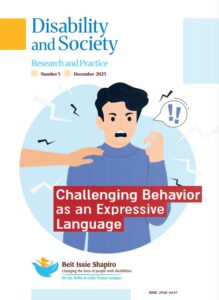 |
The Power of a Word: Challenging Behavior as Language Among Non-Speaking Autistic Individuals Who Express Themselves Through Typing
Benjamin Hozmi, Michal Gleitman, Yael Cohen and the Participatory Research Group of Makom Le’Haba’ah
Abstract
Background: In contemporary discourse on autism, there is a growing understanding that challenging behavior can serve as a language. This study examines how acquiring the ability to communicate through typing, using Yael Cohen’s Self- Expression Through Typing method, influences how others interpret behavior, how individuals cope with distress, and the subjective experiences of non-speaking autistic individuals and their parents. Method: The study employed a qualitative phenomenological methodology and a participatory research approach.
The research tool included an open-ended questionnaire that sought to examine the motivations behind the respondent’s behavior perceived by others as challenging, with reference to two points in time: before and after participants began using typing as a mode of expression. Ten non-speaking autistic adults (ages 18-32) who regularly use Yael Cohen’s Self-Expression Through Typing method were interviewed. In addition, parents were asked to complete a brief questionnaire containing two questions. The first question related to changes that they observed in their child’s life as a result of using Self-Expression Through Typing. The second sought to examine whether typing changed how they responded to their child’s challenging behaviors. The development of the research tool and interpretation of the findings were guided by a consultation group of autistic researchers. Findings: A thematic analysis of participants’ responses revealed six central themes: recognition by others of my competence; typing as a channel for self-expression; typing as a means of expressing needs; typing as a way to explain my behavior retrospectively; experience of loneliness; a call to expand access to typing for others in my situation. Four main themes arose from the parents’ responses: discovery of their child’s intellectual and emotional abilities; positive change in others’ attitudes following recognition of competence; the impact of communication through typing on handling of challenging situations; improved emotional well-being among parents. The study’s findings reinforce the view that challenging behavior serves as a communicative channel through which needs, emotions or distress are expressed. Consequently, the results emphasize the importance of creating a “space for discussion” both during and after incidents, including retrospective dialogue. The researchers recommend shifting the focus from behavioral control to empathetic dialogue that reduces distress and fosters participation. Based on the study’s findings, it is recommended to expose autistic individuals from a young age to diverse forms of expression and communication, and to later develop literacy skills so as to promote personal development and emotional well-being.
Keywords: autism; challenging behavior; augmentative and alternative communication (AAC); self-expression through typing; participatory research
Cite this article
Hozmi, B., Gleitman, M., Cohen, Y., & the Participatory Research Group of Makom Le’Haba’ah (2025). The Power of a Word: Challenging Behavior as Language Among Non-Speaking Autistic Individuals Who Express Themselves Through Typing. Disability and Society: Research and Practice, 5, 9-32.
אוטיזם
בריאות הגוף והנפש - התנהגות מאתגרת
הקהל הרחב, קהל מקצועי

 מוגבלות וחברה : מחקר ופרקטיקה
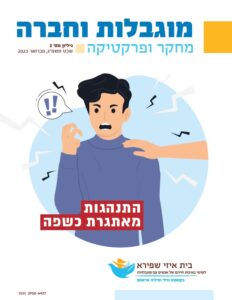
 התנהגות מאתגרת כשפה: אוגדן ידע לדרכי התערבות
 התנהגות מאתגרת: “בטרם תשפוט אותי – היכנס לנעליי”