
|
|
 |
| קישור לגיליון | קישור למאמר |
תקציר
התנהגות מאתגרת בקרב אנשים עם מוגבלות שכלית נתפסת לעיתים קרובות כבעיה פסיכיאטרית בלבד המחייבת טיפול תרופתי. עם זאת, ניסיון קליני והידע המחקרי העדכני מדגישים את החשיבות של הבנה מקיפה בגישה ביו־פסיכו־סוציאלית, המתייחסת לגורמים פיזיים, רגשיים, קוגניטיביים וסביבתיים. מאמר זה מציג מודל רב־תחומי משולב להערכה ולהתערבות, שפותח ביחידה לאבחון כפול ב־בית איזי שפירא, ומודגם באמצעות סיפורה של שירה, אישה בת 22 עם מוגבלות שכלית, שיתוק מוחין ואפילפסיה, אשר הפגינה התנהגויות מאתגרות חמורות.
תהליך ההערכה ביחידה לאבחון כפול כולל קלט והערכות של פסיכיאטר, עובד סוציאלי, מרפאה בעיסוק, פסיכולוג ומטפל התנהגותי, לצד תצפיות בסביבות הבית ומסגרת היום. הממצאים הדגישו את החשיבות של זיהוי בעיות רפואיות שלא טופלו, בחינה זהירה של הצורך בטיפול תרופתי פסיכיאטרי, ושילוב הנרטיב המשפחתי וההתנסויות הרגשיות הקשורות להתקשרות. התהליך הטיפולי שילב התערבות מערכתית משפחתית, עבודה רפלקטיבית עם ההורים, ותוכנית התנהגות מובנית המבוססת על ניתוח התנהגות יישומי (ABA). הערכות תפקודיות של ההתנהגות (ABC) הראו כי רבות מהתנהגויותיה של שירה שימשו כאמצעי לביטוי פחדיה וצרכיה שלא נענו, כתוצאה מיכולות ביטוי מוגבלות.
באמצעות עבודה משותפת בין תחומי הדעת — פסיכיאטריה, עבודה סוציאלית, פסיכולוגיה וניתוח התנהגות — שירה ומשפחתה פיתחו אסטרטגיות תקשורת משופרות, שגרה יומית צפויה יותר, והבנה רגשית מעמיקה יותר. שינויים אלה הובילו להפחתה משמעותית בתדירות ובעוצמה של ההתנהגויות המאתגרות, לשיפור באיכות השינה ולהגברת תחושת הרווחה של שירה ושל בני משפחתה.
מקרה זה מדגים את הערך הקליני של אימוץ גישה מערכתית רב־שכבתית להתנהגות מאתגרת, המדגישה התאמות סביבתיות, התאמה רגשית הורית (attunement), אסטרטגיות התנהגות עקביות, ושקילה זהירה של טיפול תרופתי. אף שהתנהגויות מאתגרות עשויות לשוב ולהופיע בתקופות של מעברי חיים או מצבי לחץ, מסגרת רב־תחומית קוהרנטית מחזקת חוסן ומפחיתה את הסיכון להסלמה.
מילות מפתח: התנהגות מאתגרת; מוגבלות שכלית; צוות רב־תחומי; המודל הביו־פסיכו־סוציאלי; עבודה עם משפחה; הערכה תפקודית של התנהגות; ניתוח התנהגות יישומי (ABA) ; טראומה; אבחנה כפולה
הצעת ציטוט:
דוויק בונר, ע', סיני, א', דרור, ר' ומשיח, ש' (2025). התבוננות טיפולית ועבודה מערכתית ורב־מקצועית עם מטופלים עם התנהגות מאתגרת. מוגבלות וחברה: מחקר ופרקטיקה, 5, 217-201.
Disability and Society: Research and PracticeIssue 5, 2025, Pages 9-32
|
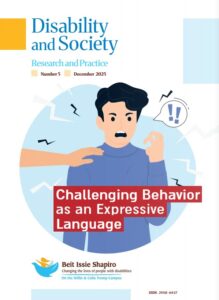 |
Therapeutic Observations and Multidisciplinary and Systemic Work with Patients with Challenging Behavior
Adi Dwek Bonar, Amanda Sinai, Revital Dror, Shafi Mashiach
Abstract
Challenging behavior among people with intellectual disabilities is often considered as a purely psychiatric problem requiring medication. However, clinical experience and current evidence highlight the importance of a comprehensive, biopsychosocial understanding that addresses physical, emotional, cognitive, and environmental contributors. This article presents an integrated multidisciplinary model for assessment and intervention, developed in the Dual Diagnosis Unit at Beit Issie Shapiro, and illustrated through the case of Shira, a 22-year-old woman with intellectual disability, cerebral palsy and epilepsy, who exhibited severe challenging behaviours.
The Dual Diagnosis Unit’s assessment process includes input and evaluations from a psychiatrist, social worker, occupational therapist, psychologist and behavioral therapist, with observations across home and day program environments. Findings underscored the importance of identifying untreated medical issues, carefully considering the need for psychiatric medication and integrating family narratives and attachment-related emotional experiences. The therapeutic process combined systemic family intervention, reflective parent work, and a structured behavioral program grounded in Applied Behavior Analysis (ABA). Functional Behavior Assessments (ABC) revealed that many of Shira’s behaviors served as a way of communicating her fear and unmet needs, resulting from limited expressive abilities.
Through collaborative work across disciplines-including psychiatry, social work, psychology, and behavior analysis-Shira and her family developed improved communication strategies, a more predictable daily routine, and enhanced emotional insight. These changes led to significant reductions in the frequency and intensity of her challenging behaviors, improved sleep, and increased wellbeing for both Shira and her family.
The case illustrates the clinical value of adopting a systemic, multi-layered approach to challenging behavior, emphasizing environmental adjustments, parental attunement, consistent behavioral strategies, and cautious consideration of medication. While challenging behaviors may re-emerge during life transitions or stress, a coherent multidisciplinary framework strengthens resilience and reduces risk of escalation.
Keywords: Challenging Behavior; Intellectual Disability; Multidisciplinary Team; Biopsychosocial Model; Family Work; Functional Behavior Assessment; Applied Behavior Analysis; Trauma; Dual Diagnosis.
Cite this article
Dwek Bonar, A., Sinai, A., Dror, R., & Mashiach, S. (2025). Therapeutic Observations and Multidisciplinary and Systemic Work with Patients with Challenging Behavior. Disability and Society: Research and Practice, 5, 201-217.
כלל המוגבלויות
בריאות הגוף והנפש - התנהגות מאתגרת
הקהל הרחב, קהל מקצועי

 התנהגות מאתגרת כשפה: סקירת אתרי אינטרנט