
|
|
 |
| קישור לגיליון | קישור למאמר |
קוראות וקוראים יקרים,
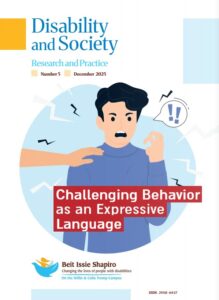
התנהגות היא אחת הדרכים הבסיסיות והעמוקות ביותר אשר באמצעותן האדם מגיב לאירועי חיים ומתקשר עם סביבתו. בקרב אנשים עם מוגבלויות מורכבות בכלל, וכאלה המתקשים בהבעה בפרט, ההתנהגות – על גווניה וביטוייה השונים - היא לעיתים הערוץ המרכזי לביטוי מצוקה, עומס חושי, קושי רגשי או התרעה על צורך שלא נענה. במשך שנים נטו מערכות החינוך, הבריאות והרווחה להתייחס להתנהגות מאתגרת כבעיית התנהגות שיש ”לפתור“, תחת תפיסתה כ"אתגר" המעורר את הצורך לפתוח צוהר לעולמו הפנימי של האדם. בשני העשורים האחרונים מתבססת הבנה רחבה יותר ולפיה התנהגות מאתגרת אינה בהכרח סטייה שיש לדכא אלא שפה שיש ללומדה ולהגיב לה.
גיליון זה מבקש להעמיק את הבנתה של שפה זו: מה היא מבטאת, אילו צרכים היא מציפה וכיצד ניתן להקשיב לה מתוך גישה אנושית־מקצועית הרואה את האדם במרכז. המאמרים המופיעים בגיליון מציעים תשקופות (פרספקטיבות) מחקריות וקליניות מגוונות, המקדמות חשיבה מחודשת על התנהגות מאתגרת ופותחות פתח להתערבות מוקדמת ומותאמת.
הגיליון כולל מאמרים הקושרים בין חסר בכלים להבעה לרמות גבוהות של דחק ותסכול וכפועל יוצא לביטויים של התנהגות מאתגרת, לבין זיקה שבין תחושה להתנהגות; בחינה מחודשת של האופן שבו הקהילה המקצועית תופסת התנהגויות סטריאוטיפיות; הבנה של התנהגויות על ציר התפתחותי ונושאים רבים נוספים. כדרכנו, שני מחקרים הכלולים בגיליון זה בוצעו בגישת מחקר משלב, שבו אנשים עם מוגבלות הם חוקרים עמיתים, התורמים מניסיונם כמומחים לחייהם. החלק החותם את הגיליון מציג סקירת אתרים עדכנית, המרחיבה את מנעד המקורות המקצועיים הזמינים לקוראים. כלל המאמרים בגיליון זה מדגישים את האחריות המשותפת שלנו כחברה, כאנשי מקצוע וכנותני שירות להקשיב להתנהגות כתופעה שיש ללמוד וכמסר שיש להבין. הבנה זו תאפשר לנו ליצור סביבות מכילות, בטוחות ומותאמות יותר למען אנשים עם מוגבלות ותסייע להגביר את השתתפותם בחיי הקהילה, מתוך כבוד לזכויותיהם האנושיות ותוך כדי התייחסות לצרכיו הייחודיים של כל אדם.
רצוני להודות לכותבים ולחברי המערכת, אשר תרמו מניסיונם ומומחיותם ליצירת גיליון מגוון, מעמיק ובעל ערך רב לשדה המוגבלות. אנו מאחלים לכם קריאה מעשירה, מעוררת מחשבה ובעיקר כזו שתעודד הקשבה חדשה לשפה שאף אם מוכרת – עדיין אינה תמיד מובנת.
ד"ר בנימין הוזמי
עורך
הצעה לציטוט:
הוזמי, ב' (2025). דבר העורך. מוגבלות וחברה: מחקר ופרקטיקה, 5, 7.
Disability and Society: Research and Practice
|
 |
Editor’s Note
Benjamin Hozmi
Dear Readers,
Behavior is one of the most fundamental and profound ways in which human beings respond to life events and communicate with those around them. For people with complex disabilities – and especially for those who struggle to express themselves – behavior in its various forms often becomes the primary channel for expressing distress, sensory overload, emotional difficulty or unmet needs. For many years, the education, health and welfare systems tended to view challenging behavior as a problem to be “solved,” rather than as a “challenge” that invites us to open a window into the person’s inner world. Over the past two decades, a broader understanding has emerged, which recognizes that challenging behavior is not necessarily a deviation to be suppressed, but a language to be studied and responded to.
This issue seeks to deepen our understanding of that language: what it expresses, the needs it brings to the surface, and how we can listen to it using a humanistic and professional approach that places the individual at the center. The articles presented in this issue offer diverse research and clinical perspectives that encourage renewed thinking about challenging behavior, and open the door to early and tailored interventions.
The issue includes articles exploring connections between a lack of expressive tools and elevated levels of stress and frustration, which often manifest as challenging behavior; the connection between sensory experience and behavior; a reexamination of the way in which the professional community perceives stereotypical behaviors; an understanding of behaviors along a developmental continuum, and many other topics. In keeping with our practice, two of the studies in this issue were conducted using a participatory research approach, in which people with disabilities serve as co-researchers, contributing from their experience as experts in their own lives. The final section of the issue presents an updated review of relevant websites, expanding the range of professional resources available to readers. All the articles in this issue underscore our shared responsibility – as a society, as professionals and as service providers – to pay attention to behavior as a phenomenon to be studied and as a message to be understood. This perspective will enable us to create more inclusive, safe and adapted environments for people with disabilities, and will help to promote their participation in community life, with respect for their human rights and attention to each individual’s unique needs.
I wish to thank the authors and the editorial team, who contributed their experience and expertise to produce a diverse and insightful issue that will be of immense value to the field of disability studies. We wish you an enriching and thought-provoking read, one that encourages a renewed attentiveness to a language that may be familiar, but is still not always understood.
Dr. Benjamin Hozmi
Editor
Cite this article
Hozmi, B. (2025). Editor note. Disability and Society: Research and Practice, 5, 7.
כלל המוגבלויות
בריאות הגוף והנפש - התנהגות מאתגרת
הקהל הרחב, קהל מקצועי

 התנהגות מאתגרת כשפה: סקירת אתרי אינטרנט